Topic hubs
Chinese astrology and feng shui guides
These guides organize BaZi, home layout, and workplace questions into clear starting points and show what to read next.
Showing 8 of 20 topics
Featured topics

Living spaces
Home Feng Shui
A practical hub for bedroom, entrance, kitchen, wealth corner, missing corner, color, and furniture placement questions.
Start with these hubs
Each hub brings articles, tools, and plain-language background together so readers can move from orientation to a specific question.
Continue reading
Bedroom Feng Shui Bed Placement
Wealth Corner: Four Methods, Four Corners
Door Facing Door Feng Shui
Topic directory
All topics
Chinese astrology
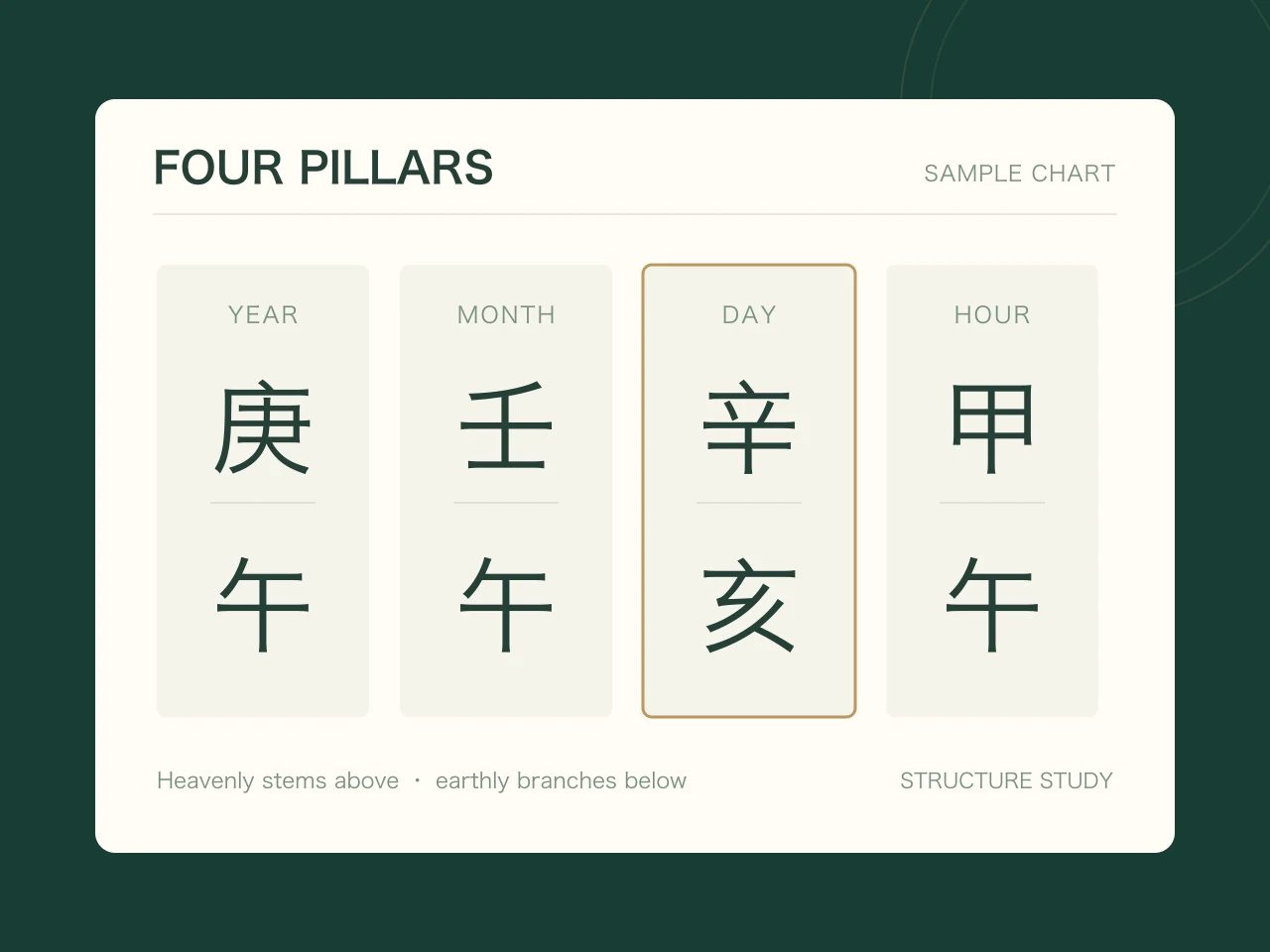
BaZi and Four Pillars
A method-first guide to Four Pillars calculation, five-element terminology, interpretive disagreement, input uncertainty, and responsible use.

Cures and objects
Feng Shui Cures
An honest guide to feng shui cures and symbolic objects — Bagua mirrors, plants, crystals, aquariums, screens and figurines — with the physical problem separated from the traditional reading.
Chinese astrology deep dive
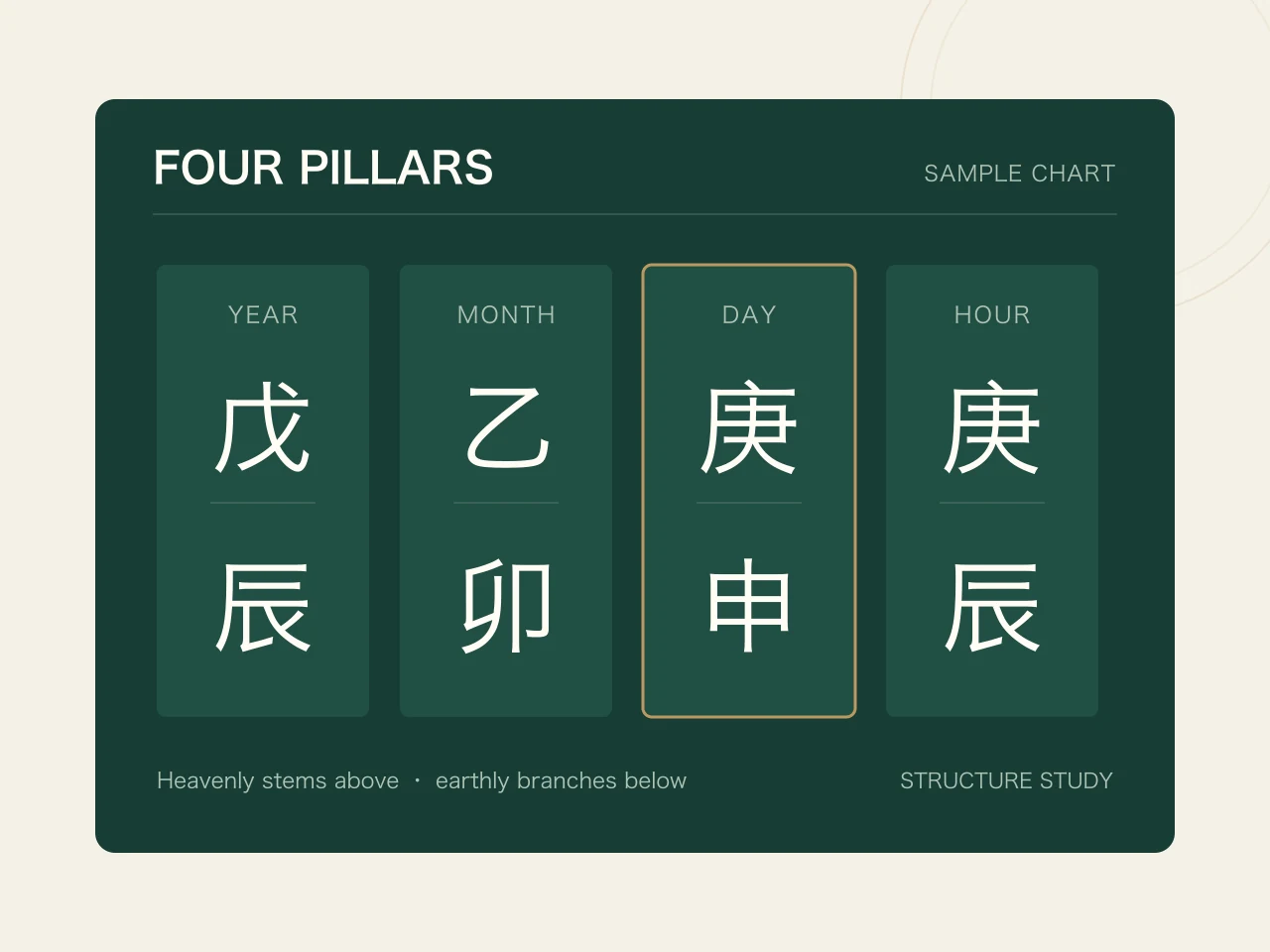
Advanced BaZi Analysis
Method-first advanced BaZi: the Ten Gods, Day Master strength, chart patterns, Luck Pillars, and annual influence, with the evidence boundary stated.
Purple star astrology deep dive
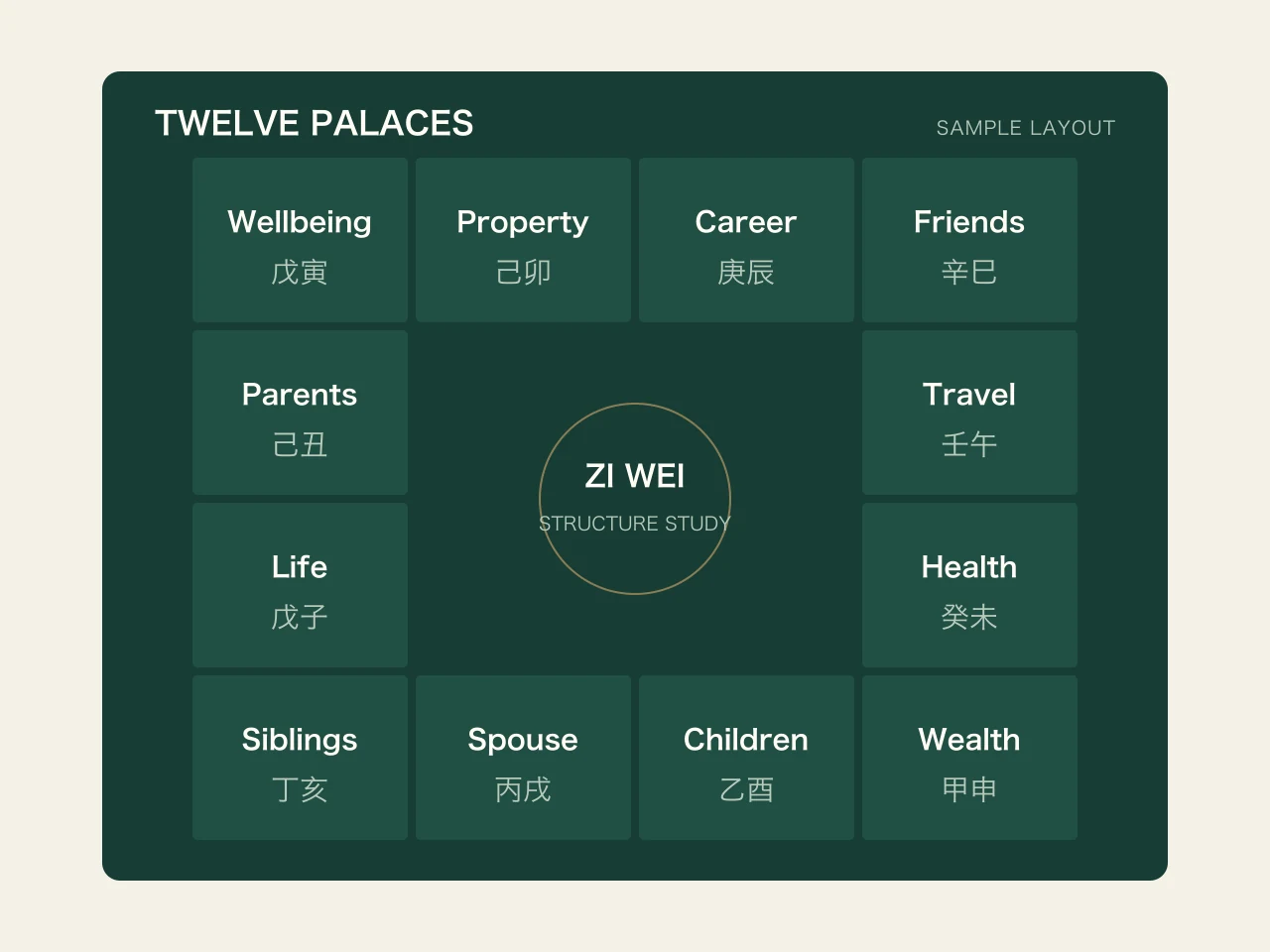
Advanced Zi Wei Dou Shu
Method-first advanced Zi Wei Dou Shu: the four transformations, star combinations, flying stars and decade palaces, read in a fixed order with the evidence boundary stated.

Chinese calendar and timing
Date Selection and Auspicious Timing
Chinese date selection (择日, ze ri) read method-first: what the calendar fixes, what the almanac only labels, and the order in which a date should actually be chosen.

Ba Zhai feng shui
Eight Mansions Feng Shui
A working guide to Eight Mansions (Ba Zhai) feng shui: the personal ming gua, the house gua taken from a measured sitting direction, the eight-star table that joins them, and the three places the tradition actually reads.

Work and career
Office Feng Shui
A topic hub for desk direction, office layout, meeting rooms, plants, clutter, and work-focused environmental choices.

Chinese palmistry
Palm Reading (Shou Xiang)
How a hand is actually read: the three creases that form before birth, the pads that change with use, the two hand-shape systems that do not convert, and the point where the tradition has to stop.
How to choose a path
Use the library as a decision sequence
Choose a topic based on the real question you have, then move from observation to a modest action. Do not keep switching results just to find a more appealing answer.
1. Define the real question
Use the BaZi hub for birth-chart method and uncertainty, the home hub for household layout and maintenance, and the office hub for workstation or shared-space decisions. If the issue is medical, legal, financial, structural, or related to personal safety, use the appropriate qualified service first.
2. Read context before a tool
Read the topic introduction and one relevant guide before entering personal information. This helps you see what to prepare, which ideas are traditional interpretations, and which real-world conditions matter more.
3. Record support and contradiction
For every interpretation, write down one concrete observation that supports it and one that challenges it. A useful result should lead to a testable question, comparison, or small reversible change. Repeatedly seeking a different score is not evidence and can make uncertainty harder to manage.