Home Feng Shui

Wedding Bedroom Feng Shui

This page explains Wedding Bedroom Feng Shui as a practical cultural reference, covering the core idea, common use cases, careful checks, and responsible limits so readers can compare traditional guidance with real conditions.

2025-10-13 · Updated 2026-06-07

B

Reviewed by BaZi Report Editorial Team

Our editorial team researches classical Chinese metaphysics and feng shui texts, fact-checks references against the original sources, and reviews every article before publication. We aim to keep traditional concepts clear and practical, and we stay transparent about what these readings can and cannot tell you.

Use this guide to understand Wedding Bedroom Feng Shui in context, compare several signals, and avoid treating any single traditional rule as a fixed promise.

A wedding bedroom is about two people, not one — and that changes everything

Most feng shui bedroom advice assumes one occupant. A wedding or newlywed bedroom has two, and that changes the feng shui calculus. The room must support two different sleep schedules, two different relationships with light and noise, two different attachments to objects, and the ongoing negotiation of shared space. The classical feng shui concept of 'harmony' (和谐) in the bedroom is, in practical terms, the room's ability to accommodate two people without one person's needs dominating the other's.

The single most important principle: the bedroom should feel like it belongs to both people equally. If one side of the bed has a proper bedside table, a reading lamp, and space to move, and the other side is wedged against a wall with no surface, the room is already signalling imbalance. Feng shui calls this unequal yin and yang; the practical version is that one person will feel like a guest in their own bedroom.

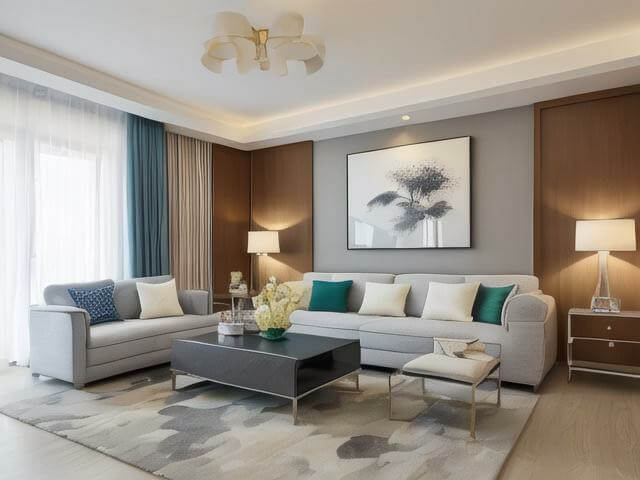
Wedding bedroom feng shui design showing paired decor balanced lighting and intimate space arrangement

Bed placement: the rules that matter for two

The standard bed placement rules apply to a wedding bedroom, but some gain extra weight when two people are involved:

RuleWhy it matters for a coupleFix if it is wrong
Equal access on both sides of the bedBoth partners should be able to get in and out of bed without climbing over the other person. A bed pushed against a wall on one side creates a hierarchy of access.Move the bed so both sides have at least 60cm (2ft) of clearance.
Headboard against a solid wall, not a windowA shared bed under a window means both people feel the draft, the light, and the lack of a solid backing. This is more destabilising when two people are trying to sleep.Move the bed to a solid wall. If impossible, use heavy curtains and a solid headboard.
No mirror facing the bedThe traditional ban on bedroom mirrors is amplified for a couple: a mirror facing the bed is said to invite a third party into the relationship. The practical version is that a mirror reflecting the bed is distracting and unsettling for intimacy.Cover the mirror at night, or move it to a position where the bed is not visible in it.
Solid, unified mattress — no two singles pushed togetherThe tradition says a split mattress creates a split in the relationship. The practical version: the gap between two mattresses is uncomfortable, and a unified sleeping surface supports physical closeness.Use a single king-size mattress.

Colour: what works for a couple's bedroom

The feng shui colour palette for a wedding bedroom is often reduced to 'red for love,' but that is an oversimplification that can backfire. Red is a fire element colour — stimulating, active, and energising. A bedroom needs calm, not stimulation. Here is what works in practice:

  • Warm neutrals as the base: soft beige, warm grey, pale taupe. These create a calm, shared canvas that both partners can live with.
  • Small accents of pink, peach, or soft coral for warmth and romance. These are the 'love' colours that work in a bedroom — they are warm without being activating. Use them in cushions, a throw blanket, or a piece of art, not as wall colour.
  • Avoid large areas of red, orange, or bright purple. These are fire colours that stimulate rather than calm. A bedroom should feel like a retreat, not a nightclub.
  • Avoid large areas of blue or black in a bedroom that already gets little natural light. These water-element colours can make a room feel cold and withdrawn.

A worked example: two people, one bedroom, different needs

A newly married couple moves into their first shared apartment. The bedroom is 16 square metres with one window on the south wall. She likes a cool, dark room for sleeping; he likes to read in bed with a bright light. She wants no electronics in the bedroom; he checks his phone before sleeping. The initial setup has the bed against the east wall, with her side near the window and his side near the door.

The problems: she is disturbed by his reading light and phone screen; he feels cramped because his side of the bed is closer to the wall and has less space. The window is on her side, so she gets the draft and the morning light, which she dislikes. The room feels like a negotiation that nobody is winning.

The feng shui-informed solution: the bed moves to the north wall, giving both sides equal space and equal distance from the window. Each person gets a bedside table with their own lamp — his has a focused, dimmable reading light with a warm bulb; hers has a soft ambient light. A 'no screens after 10 PM' agreement moves phone-checking to the living room. The window gets blackout curtains on a double rod, so she can close them fully and he can open them in the morning.

The result: the room now supports both people's needs without either person having to give up what they need to sleep well. The feng shui principle at work is not about red pillows or mandarin duck figurines — it is about equal access, mutual accommodation, and a room that feels like it was designed for two people, not one.
What to put in the room — and what to take out

The objects in a wedding bedroom carry weight. Some support the relationship; some quietly undermine it:

Put inTake outWhy
Photos of the couple togetherPhotos of ex-partners, or solo photos that dominate one side of the roomThe room should visually represent the current relationship, not past ones.
Art that both people likeArt that only one person chose and the other toleratesShared visual choices signal shared ownership of the space.
Two bedside tables, two lampsOne bedside table, or mismatched furniture that favours one sideEqual furniture signals equal belonging. This matters more than any colour choice.
A few meaningful objects — a wedding gift, a shared souvenirClutter, piles of clothes, work papers, exercise equipmentA bedroom is for rest and intimacy. Anything that belongs to another room (work, exercise, storage) should live elsewhere.
Soft, layered lightingA single harsh overhead lightOne light source creates a functional room, not a restful one. Layers of light let the room shift from day to evening to night.

The honest limit

A well-arranged wedding bedroom supports rest, intimacy, and the daily negotiation of shared space. It does not guarantee a happy marriage, prevent conflict, or ensure fidelity. Feng shui is a framework for making a room work for two people — and that is a genuine contribution, because a room that consistently frustrates one partner is a room that adds friction to the relationship. But the room is a supporting actor, not the star. The real work of marriage happens in conversation, compromise, and the thousand small decisions that have nothing to do with where the bed is pointing.

Disclaimer: This content is for informational and cultural reference purposes only. It does not constitute professional medical, legal, financial, or psychological advice. Readers should exercise their own judgment and consult qualified professionals for specific concerns.

Keep reading

Related articles

Content Note

This article is based on publicly available materials in traditional Chinese metaphysics and feng shui. It is intended as cultural reference and background knowledge only. Metaphysical predictions and feng shui suggestions are not substitutes for professional medical, legal, financial, or psychological advice. We encourage readers to apply their own judgment when interpreting the content. Learn more about our content guidelines