Home Feng Shui

Wealth Corner Feng Shui

This page explains Wealth Corner Feng Shui as a practical cultural reference, covering the core idea, common use cases, careful checks, and responsible limits so readers can compare traditional guidance with real conditions.

2025-09-05 · Updated 2026-06-07

B

Reviewed by BaZi Report Editorial Team

Our editorial team researches classical Chinese metaphysics and feng shui texts, fact-checks references against the original sources, and reviews every article before publication. We aim to keep traditional concepts clear and practical, and we stay transparent about what these readings can and cannot tell you.
Use this guide to understand Wealth Corner Feng Shui in context, compare several signals, and avoid treating any single traditional rule as a fixed promise.

The honest version of the wealth corner

The wealth corner (财位) is the single most searched idea in home feng shui, and also the one most oversold. Stripped of the marketing, it is a symbolic focal point in a room that traditions associate with resources and growth. It is a place to direct care and attention, not a switch that turns on income. If you keep that framing, everything below is useful; if you expect it to pay your rent, no arrangement of plants will deliver.

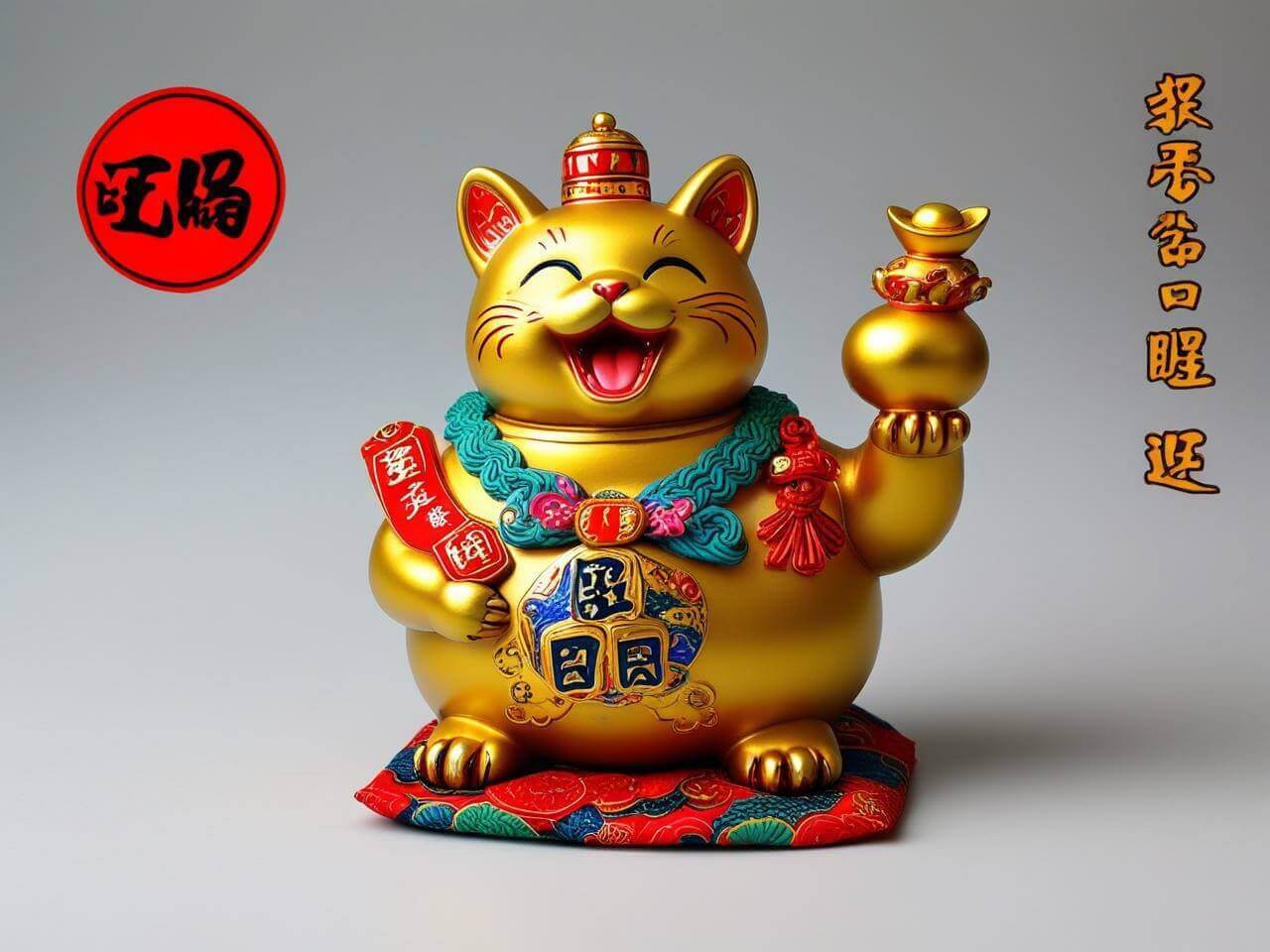
Wealth corner feng shui area with symbolic home decor

Two ways people locate it, and why they disagree

Most arguments about the wealth corner come from the fact that different schools place it differently. The two you will actually meet are:

  • The entrance method (Black Hat / BTB school). Stand in the doorway of a room facing in; the wealth area is the far diagonal corner, usually the far left. Simple, room-by-room, and the version most online guides use.
  • The compass method (classical Form and Compass schools). Wealth is tied to specific directions, often the southeast of the Later Heaven Bagua, and in more advanced practice to the building's facing direction and time period. More rigorous, but it needs a real compass reading and disagrees with the entrance method as often as not.

Which method should you use?

If you only want a tidy, low-stakes ritual, the entrance method is fine and easy. If you care about doing it by the book, the compass method is more defensible but more work, and you should expect the two to point at different corners. When they conflict, neither is more true; they are different systems. Pick one, apply it consistently, and do not stack cures from both schools on top of each other.

MethodHow it finds the cornerHonest caveat
Entrance (BTB)Far diagonal corner from the room door, usually far leftEasy but not classical; ignores direction and timing
Southeast BaguaThe southeast sector of the home or roomCommon shorthand; a simplification of compass practice
Full compass (Xuan Kong)Based on facing direction and 20-year period starsMost rigorous; needs a luopan reading and training

A worked example: the corner you were given is the bathroom

A renter applies the entrance method and finds the far-left corner of the living room is taken up by a doorway to the bathroom. The internet says a bathroom in the wealth corner drains money. Panic is the wrong response.

The practical read: the tradition objects to water draining away in a wealth area, so you treat the real issue. Keep the bathroom door closed, fix any actual leaks or damp, and shift the symbolic focus to a secondary spot, a clean, well-lit shelf in the room with a healthy plant and a few meaningful objects. You have honored the intent (care and attention to resources) without pretending you can move plumbing you do not own.

What to actually put there, and what to avoid

The useful part of a wealth corner is that it forces you to keep one spot clean, lit, and intentional. The contents matter less than the upkeep.

  • Good: a healthy plant, good lighting, something that genuinely represents growth or goals to you, and clear, uncluttered space.
  • Pointless: a dead plant, a dusty pile of coins, or a drawer of junk relabelled as a wealth corner. Neglect is the one thing every school agrees works against you.
  • Avoid: treating purchased wealth objects as a substitute for managing money. The corner is a reminder, not a method.

Where this sits relative to real finances

We will say this plainly because the topic invites overclaiming: a wealth corner does not predict or produce income. What it can do is keep your attention on resources and reduce one corner of household clutter, which is a modest but real benefit. Treat it as informed tradition and a tidy habit, and keep your actual financial decisions where they belong, with budgeting, saving, and qualified advice.

Common misunderstandings

A common mistake is to turn Wealth Corner Feng Shui into a single yes-or-no rule. Traditional material is usually conditional: it depends on timing, layout, personal context, and the school of interpretation being used.

Another mistake is to ignore scale. A small symbolic adjustment cannot solve a structural problem, a relationship problem, or a professional matter by itself. It can only support clearer attention and better habits.

When different sources disagree, record the disagreement instead of forcing certainty. That makes the page more useful for comparison and keeps the interpretation honest.

How to continue learning

To continue learning, compare Wealth Corner Feng Shui with related articles, topic hubs, and course lessons on this site. Looking at several connected pages helps separate repeated principles from one-off claims.

Notice which ideas appear across different contexts: cleanliness, proportion, timing, safety, emotional clarity, and respect for real constraints. These repeated ideas are usually more reliable than dramatic claims.

Return to the page after observing the actual situation for a while. The best use of traditional knowledge is iterative: read, observe, adjust carefully, and review.

Disclaimer: This content is for informational and cultural reference purposes only. It does not constitute professional medical, legal, financial, or psychological advice. Readers should exercise their own judgment and consult qualified professionals for specific concerns.

Keep reading

Related articles

Content Note

This article is based on publicly available materials in traditional Chinese metaphysics and feng shui. It is intended as cultural reference and background knowledge only. Metaphysical predictions and feng shui suggestions are not substitutes for professional medical, legal, financial, or psychological advice. We encourage readers to apply their own judgment when interpreting the content. Learn more about our content guidelines