Home Feng Shui

Dining Room Feng Shui Guide

This page explains Dining Room Feng Shui Guide as a practical cultural reference, covering the core idea, common use cases, careful checks, and responsible limits so readers can compare traditional guidance with real conditions.

2025-09-25 · Updated 2026-06-07

B

Reviewed by BaZi Report Editorial Team

Our editorial team researches classical Chinese metaphysics and feng shui texts, fact-checks references against the original sources, and reviews every article before publication. We aim to keep traditional concepts clear and practical, and we stay transparent about what these readings can and cannot tell you.
Use this guide to understand Dining Room Feng Shui Guide in context, compare several signals, and avoid treating any single traditional rule as a fixed promise.

The dining room is the simplest room to get right, and the easiest to neglect

The dining room is the one room in the house whose purpose is unambiguous: people sit down together and eat. Feng shui gives it outsized importance because it is the room where the household literally gathers around a shared centre. The design principle is straightforward: the table should be the undisputed focal point, the seating should be comfortable enough to linger, and the lighting should be warm and centred on the table.

Most dining room problems are not feng shui problems; they are design problems. A table that is too large for the room, chairs that are uncomfortable, lighting that is too bright or too dim, and clutter that turns the table into a storage surface. Fix these, and the feng shui follows.

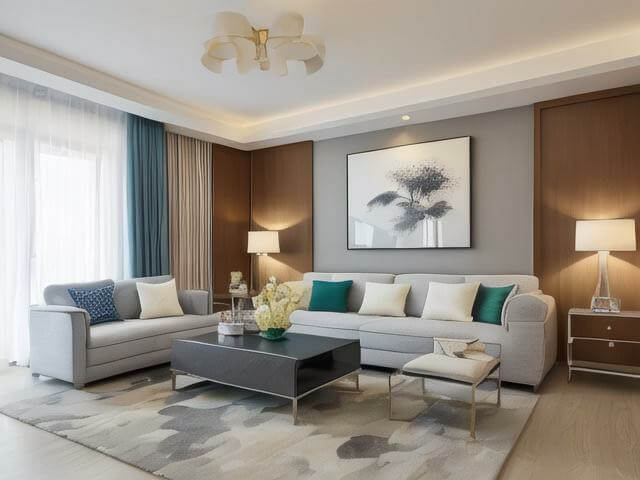
Dining room feng shui layout showing table placement lighting and mirror use for family nourishment

The four things that actually make a dining room work

These are the non-negotiables, in order of impact:

  • The table is the centre. Every seat should have access to the table, and the table should not be pushed against a wall. A round or oval table is better for conversation than a rectangular one, but a rectangular table that fits the room is better than a round table that does not.
  • Lighting is focused on the table. A pendant light or chandelier centred over the table, on a dimmer, is the single most effective dining room upgrade. The light should be warm (2700K to 3000K) and low enough to create a pool of light on the table.
  • The path from kitchen to table is clear. If the cook has to navigate around chairs, through a narrow gap, or past a sideboard to set food on the table, the room is working against its purpose.
  • The chairs are comfortable. People linger at a table when the chairs support them. Hard wooden chairs without cushions discourage lingering, and a dining room where people do not linger is a room that is not doing its job.

A worked example: the dining room that became a storage room

A common scenario in a family home: the dining table becomes the default landing zone for mail, school papers, laptop bags, and the things people carry in and drop. The table is never fully clear, and meals happen on the sofa or at the kitchen counter.

The fix is not a feng shui cure; it is a habit change backed by one piece of furniture. Add a small console or a set of wall hooks near the dining room entrance, and make it the rule that everything lands there, not on the table. Clear the table completely at the end of every meal. A tablecloth or a runner helps signal that the table is a dining surface, not a shelf. The room will feel different within a week, not because of energy flow, but because the table is available for its intended purpose.

What the tradition says, and what it actually means

The classical dining room rules are mostly about the table:

Traditional ruleWhat it means in practice
No beams over the dining tableA beam overhead creates a visual pressure line; it is uncomfortable to sit under. If you cannot move the table, a fabric canopy or a light fixture that breaks the line helps
No mirror facing the dining tableA mirror that reflects the food is said to double abundance; in practice, a mirror that catches movement behind diners is distracting
The table should not face the toilet doorThis is basic hygiene and comfort; no one wants to see a toilet while eating
Round tables are bestRound tables equalise seating and remove hierarchy; they are genuinely better for conversation, but a square or rectangular table that fits is fine
Avoid sharp table cornersSharp corners at body height are a bruise risk, especially for children. Round or radius corners are a practical choice

Colour, plants, and the finishing touches

The dining room does not need a complex colour scheme. Warm, appetite-friendly tones, soft yellows, warm whites, earth tones, muted greens, work better than cool blues or stark greys. A single healthy plant on a sideboard or in a corner adds life without competing with the table. Fresh flowers on the table are a genuine mood lift, but they are a maintenance item; dried flowers collect dust and read as neglect. The goal is a room that invites people to sit down and stay a while, and that is achieved through comfort, light, and a clear table, not through symbolism.

  • Warm, appetite-friendly wall colours; avoid cool blues and stark greys.
  • A dimmable pendant light centred over the table; this is the single most important light fixture in the room.
  • One healthy plant off the table; a sideboard or corner placement keeps the table clear.
  • Fresh flowers or a simple centrepiece on the table; keep it low so people can see each other across the table.

The honest summary

A dining room that works is a room where people want to sit down and eat together. The feng shui tradition points at the same things that good interior design points at: a central table, comfortable seating, warm light, and a clear purpose. It does not predict family harmony, and you should not worry about the shape of the table or the colour of the walls beyond whether they make the room feel welcoming. Get the basics right, and the rest takes care of itself.

Disclaimer: This content is for informational and cultural reference purposes only. It does not constitute professional medical, legal, financial, or psychological advice. Readers should exercise their own judgment and consult qualified professionals for specific concerns.

Keep reading

Related articles

Content Note

This article is based on publicly available materials in traditional Chinese metaphysics and feng shui. It is intended as cultural reference and background knowledge only. Metaphysical predictions and feng shui suggestions are not substitutes for professional medical, legal, financial, or psychological advice. We encourage readers to apply their own judgment when interpreting the content. Learn more about our content guidelines