Feng Shui Cures

Bathroom Feng Shui: Practical Remedies

This page explains Bathroom Feng Shui: Practical Remedies as a practical cultural reference, covering the core idea, common use cases, careful checks, and responsible limits so readers can compare traditional guidance with real conditions.

2025-11-24 · Updated 2026-06-07

B

Reviewed by BaZi Report Editorial Team

Our editorial team researches classical Chinese metaphysics and feng shui texts, fact-checks references against the original sources, and reviews every article before publication. We aim to keep traditional concepts clear and practical, and we stay transparent about what these readings can and cannot tell you.
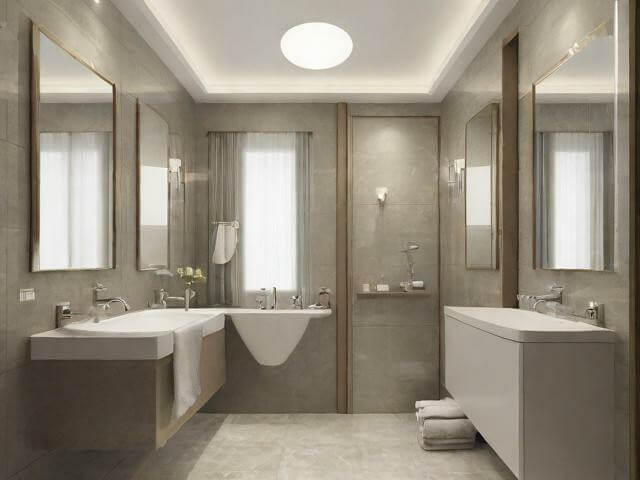
Use this guide to understand Bathroom Feng Shui: Practical Remedies in context, compare several signals, and avoid treating any single traditional rule as a fixed promise.

The bathroom problem is real, but the concern is usually simpler than it sounds

Bathrooms get more feng shui attention than almost any other room, and the concern is not arbitrary. The tradition associates bathrooms with water and drainage, which in a system built around the movement and containment of qi reads as a place where energy can leave. The practical version is simpler: bathrooms are wet, enclosed, and often poorly ventilated, and when one opens directly onto a kitchen, bedroom, or front door, those qualities become visible, smellable, or audible in the rest of the home.

Most bathroom feng shui remedies are really about three things: keeping the room dry, keeping the door closed, and making sure it does not dominate the visual or sensory experience of the rooms around it.

Bathroom ventilation and cleanliness for practical feng shui

The three bathroom problems that actually matter, ranked

Not all bathroom concerns are equal. Here is the order of priority, from genuinely worth fixing to mostly internet noise:

  • Bathroom door facing the kitchen or dining area. This is the most cited bathroom problem, and it has a real basis. The kitchen is where food is prepared; having a toilet visible from the cooking area is genuinely unpleasant. The fix is as simple as keeping the door closed and adding a soft door closer.
  • Bathroom above or directly adjacent to the bedroom. The concern is noise, damp, and the sound of water running through pipes. A dehumidifier, good ventilation, and sound insulation are the real remedies; crystals and mirrors are secondary.
  • Bathroom in the centre of the home. The traditional objection is that the centre is the heart of the house and should not be a drainage point. The practical issue is that a central bathroom is often windowless and poorly ventilated. A powerful extractor fan and keeping the door closed cover most of it.
  • Bathroom door facing the front door. Less common than advertised. If it happens, the fix is a screen, a plant, or simply keeping the bathroom door closed. This is a visual preference, not a crisis.
  • Toilet in the wealth corner. The most overblown concern. If the bathroom is in the southeast of the home, keep it clean, dry, and well-maintained. The house is not losing money through the toilet.

A worked example: the bathroom with no window

A common bathroom in a mid-floor flat has no exterior window, only a ventilation shaft. The room is damp, smells linger, and the door opens onto a narrow hallway between the kitchen and the bedroom. This is the kind of bathroom that feng shui books flag, and the fix is almost entirely mechanical.

Install a proper extractor fan with a timer that runs for 15 minutes after the light is turned off. Add a small dehumidifier if the climate is humid. Keep the door closed at all times. Use a light, warm paint colour to make the room feel less closed in. Add a small plant if there is enough light; if not, do not force it. None of this is mystical, and all of it works.

Traditional remedies matched to actual problems

The classical remedies are worth understanding because they point at real issues, even if the language is symbolic:

Traditional concernClassical remedyWhat it actually addresses
Water draining wealthKeep the toilet lid closed and the door shutVisual closure and odour containment; the real benefit is a tidier room
Bathroom in the wealth sectorEarth-element colours and objectsEarthy tones (beige, terracotta, warm grey) make a small room feel grounded; the colour itself does not affect finances
Mirror in the bathroomAvoid mirrors that face the toilet or doorA mirror that catches the toilet from the bed is visually unpleasant; angle it or cover it at night
Leaks and dampFix all leaks immediatelyThis one is literal: damp causes mould, which is a genuine health issue. Fix the leak, not the symbolism

The checklist that actually fixes a bathroom

If you do nothing else, work through this list in order. It covers 90% of what a bathroom needs, feng shui or not:

  • Fix every leak and every drip. A dripping tap is wasted water and a sound that erodes calm.
  • Install or upgrade the extractor fan. The bathroom should be dry within 30 minutes of a shower.
  • Keep the door closed. This is the single simplest remedy and the most effective.
  • Keep the toilet lid down. It is tidier, and it is the one bathroom habit every tradition agrees on.
  • Use warm, light colours on the walls. Avoid dark tiles that make a small room feel smaller.
  • Add a plant only if there is natural light. A struggling plant in a dark bathroom is worse than no plant.

The honest limit

A clean, dry, well-ventilated bathroom is good feng shui. The rest, mirrors, crystals, bagua placements, is optional decoration that should not distract from the basics. A bathroom does not drain your wealth, and an expensive cure will not fix a room that is damp and dark. Fix the room first, and treat the tradition as a reminder to keep it clean and intentional.

Common misunderstandings

A common mistake is to turn Bathroom Feng Shui: Practical Remedies into a single yes-or-no rule. Traditional material is usually conditional: it depends on timing, layout, personal context, and the school of interpretation being used.

Another mistake is to ignore scale. A small symbolic adjustment cannot solve a structural problem, a relationship problem, or a professional matter by itself. It can only support clearer attention and better habits.

When different sources disagree, record the disagreement instead of forcing certainty. That makes the page more useful for comparison and keeps the interpretation honest.

How to continue learning

To continue learning, compare Bathroom Feng Shui: Practical Remedies with related articles, topic hubs, and course lessons on this site. Looking at several connected pages helps separate repeated principles from one-off claims.

Notice which ideas appear across different contexts: cleanliness, proportion, timing, safety, emotional clarity, and respect for real constraints. These repeated ideas are usually more reliable than dramatic claims.

Return to the page after observing the actual situation for a while. The best use of traditional knowledge is iterative: read, observe, adjust carefully, and review.

Disclaimer: This content is for informational and cultural reference purposes only. It does not constitute professional medical, legal, financial, or psychological advice. Readers should exercise their own judgment and consult qualified professionals for specific concerns.

Keep reading

Related articles

Content Note

This article is based on publicly available materials in traditional Chinese metaphysics and feng shui. It is intended as cultural reference and background knowledge only. Metaphysical predictions and feng shui suggestions are not substitutes for professional medical, legal, financial, or psychological advice. We encourage readers to apply their own judgment when interpreting the content. Learn more about our content guidelines