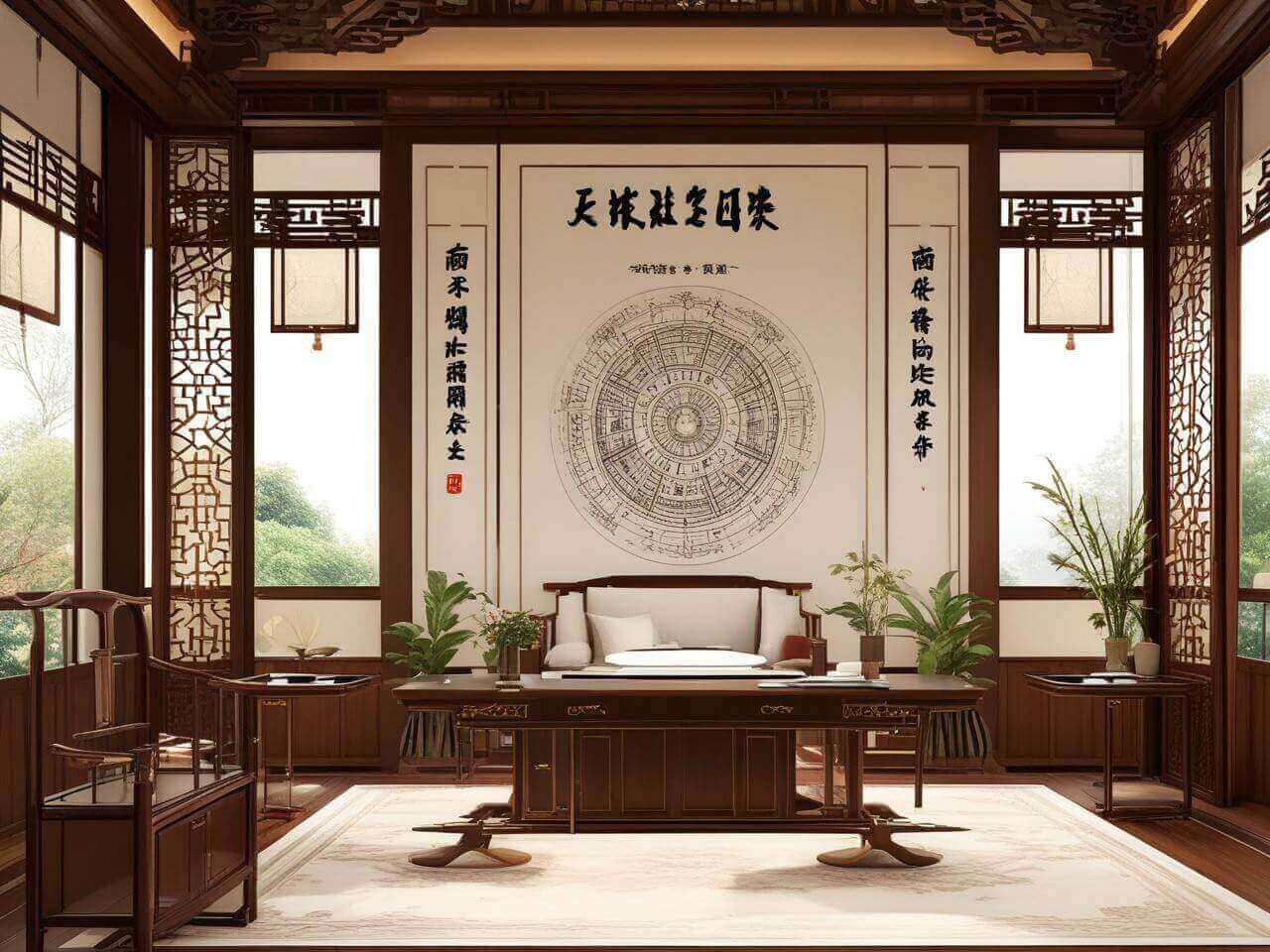
A 15-person startup is moving into a new office. The space is a single rectangular floor of about 200 square metres, with windows along one long wall. The team includes a CEO, a finance person, a sales team of four, a product team of six, and a receptionist. The CEO wants a feng shui layout and hires a consultant who produces a compass-based plan with the CEO in the Northwest corner, finance in the Southeast, and sales facing South.
The problem: the Northwest corner is the darkest part of the office, with no windows and poor ventilation. The Southeast corner is directly next to the noisy kitchen. The South-facing wall is where the sales team would have their backs to the entrance, unable to see visitors arrive. The compass plan is technically 'correct' by traditional standards, but the layout would make everyone miserable.
What they do instead: the CEO takes the corner office with windows — not because of the compass, but because she needs a private space for calls and the daylight helps her mood. Finance goes into a small internal room with a door that closes — the lack of windows is a tradeoff for the quiet and security they need. Sales takes the open area near the entrance with the best light — they are on the phone constantly and need the energy of the daylight. The product team takes the quieter end of the room, away from the entrance and the kitchen, where they can do focused work.
The result: the layout is not 'correct' by traditional feng shui standards. But it works. The CEO is happier. Sales has more energy. Finance is focused. The product team ships faster. The compass was the wrong tool for this job. The right tool was asking: who needs quiet, who needs light, and who needs to be near the door?